
The Allure of Chance and Uncertainty
The psychology of casino games is deeply intertwined with the human attraction to chance and uncertainty. Many players find thrill and excitement in the unpredictability of outcomes, whether it’s the roll of dice or the spin of a roulette wheel. This uncertainty can trigger the release of dopamine in the brain, enhancing feelings of pleasure and enjoyment. As players engage in these activities, they may sometimes prefer options with quicker payouts, such as online casino canada fast withdrawal , becoming engrossed in the experience while often overlooking the inherent risks involved. This phenomenon explains why many people enjoy the excitement of gambling despite knowing the odds are often against them.
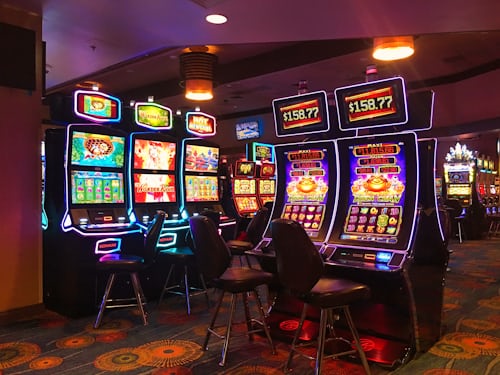
Moreover, the design and ambiance of casinos are crafted to enhance sensory stimulation, further amplifying the allure of risk-taking. Bright lights, engaging sounds, and the vibrant atmosphere create an immersive experience that captivates players and encourages them to stay longer. Such environments are strategically created to maximize the player’s focus on games while minimizing distractions that could lead to rational decision-making. This intentional design plays a key role in maintaining player engagement and fostering a cycle of behavior that can lead to increased gambling frequency.
Additionally, the concept of “near misses” is significant in understanding player behavior in casinos. When players experience outcomes that are close to winning, such as two matching symbols on a slot machine and one missing, it can lead to an emotional response that encourages them to keep playing. This cognitive bias reinforces the idea that a win is just around the corner, making players more likely to invest additional time and money in pursuit of that elusive jackpot. Such psychological factors contribute to both the addictive nature of gambling and the willingness to gamble despite unfavorable odds.
The Role of Cognitive Biases in Gambling
Cognitive biases significantly influence how players perceive risks and outcomes in gambling. One common bias is the “gambler’s fallacy,” where individuals believe that past losses must be compensated by future wins. For instance, a player may think that since they have lost several times in a row, a win is due. This flawed logic often leads players to stake more than they can afford in hopes of recapturing losses, highlighting how misconceptions about probability can drive irrational behavior in casinos.
Another important concept is the anchoring effect, in which players fixate on certain pieces of information when making decisions. In the context of gambling, a player might anchor their expectations to a recent win or loss, impacting subsequent betting behavior. Such biases can cloud judgment, leading to decisions based more on emotion than sound reasoning. Understanding these cognitive errors is critical for players wanting to maintain control over their gambling habits and for casinos seeking to promote responsible gaming practices.
Lastly, social dynamics and peer influence play a vital role in shaping gambling behavior. When players engage in group activities, such as playing poker or betting at a sports event, they are often influenced by the attitudes and behaviors of those around them. This social aspect can amplify both excitement and risk-taking, as players may feel emboldened by communal support. Conversely, the presence of peers can lead to a normalization of excessive gambling, making it harder for individuals to recognize when their behavior may be crossing a line into harmful territory.
Addiction and Behavioral Patterns
The addictive potential of casino games is a pressing concern in the study of gambling behavior. For some individuals, the thrill of the game can escalate into compulsive gambling, characterized by an inability to stop despite negative consequences. The brain’s reward system becomes desensitized over time, requiring higher stakes or more frequent gaming to achieve the same level of excitement. This escalation can lead to significant financial losses and strained personal relationships, highlighting the serious implications of gambling addiction.
In addition, the emotional rollercoaster that accompanies winnings and losses can foster a cycle of chasing. Players who win may feel euphoric, while losses can lead to feelings of despair. This emotional volatility can drive individuals to continue playing in the hopes of recouping losses or replicating a previous win. Recognizing these patterns is essential for understanding how certain individuals may fall into gambling addiction and why it can be so challenging to break free from its grip.
Mental health plays an essential role in gambling behavior, with many individuals using gambling as a coping mechanism for underlying psychological issues such as stress, anxiety, or depression. As they seek escape or relief through gaming, their gambling habits may spiral out of control. It’s crucial for both players and support systems to be aware of this connection and to approach gambling behavior with sensitivity and understanding. Effective treatment strategies often involve addressing these mental health concerns to help individuals regain control over their gambling habits.
Design Elements That Influence Player Choices
The design of casino games is often a carefully crafted strategy intended to influence player choices. From the layout of the casino floor to the aesthetics of specific games, every element is designed to create an immersive experience that encourages prolonged engagement. For instance, the use of bright colors and inviting sounds is a deliberate tactic to stimulate excitement and draw players toward certain games. This sensory engagement can create a feedback loop, where the more players indulge, the more they are drawn into the environment.

Another critical design aspect is the placement of games within a casino. Games that typically offer higher payouts are often positioned in high-traffic areas, maximizing visibility and drawing in players. This strategic placement can lead to increased participation, as players are naturally inclined to choose games that appear more favorable. Furthermore, the illusion of availability is also a key strategy; games that seem to be consistently “hot” can entice players further, leading them to believe that they too might experience similar success.
Moreover, the concept of loyalty programs and rewards in casinos can greatly influence player behavior. By providing players with incentives such as bonus credits, complimentary meals, or discounted stays, casinos foster a sense of loyalty and encourage repeat visits. These rewards tap into the psychology of commitment and consistency, as players feel compelled to continue engaging in games to unlock further benefits. This cycle of reward and further involvement reinforces player behavior, often leading to increased spending and time in the casino.
Understanding Responsible Gaming and Support
As the conversation around responsible gaming continues to evolve, there is an increasing emphasis on understanding the psychological elements of player behavior. Education plays a pivotal role in promoting responsible gambling, emphasizing the importance of awareness about personal limits and the risks associated with excessive gambling. Casino operators are encouraged to implement programs that educate players on how to recognize signs of problem gambling and provide resources for those who may need help.
Furthermore, many casinos are now adopting technology to monitor player behavior and intervene when necessary. For instance, tracking systems can identify patterns indicative of distress or compulsive behavior, enabling casinos to reach out to players with resources and support. This proactive approach not only helps protect players but also fosters a culture of responsibility within the gaming environment.
A comprehensive understanding of the psychology behind casino games is essential for both players and industry professionals alike. Knowledge of cognitive biases, emotional triggers, and behavioral patterns can empower individuals to make more informed and responsible decisions while gambling. By fostering a supportive atmosphere, both within casinos and the broader community, it is possible to enhance the overall gaming experience while minimizing potential risks associated with gambling.